Trump Downplays Rising Oil Prices as Global Energy Markets React to Iran Conflict
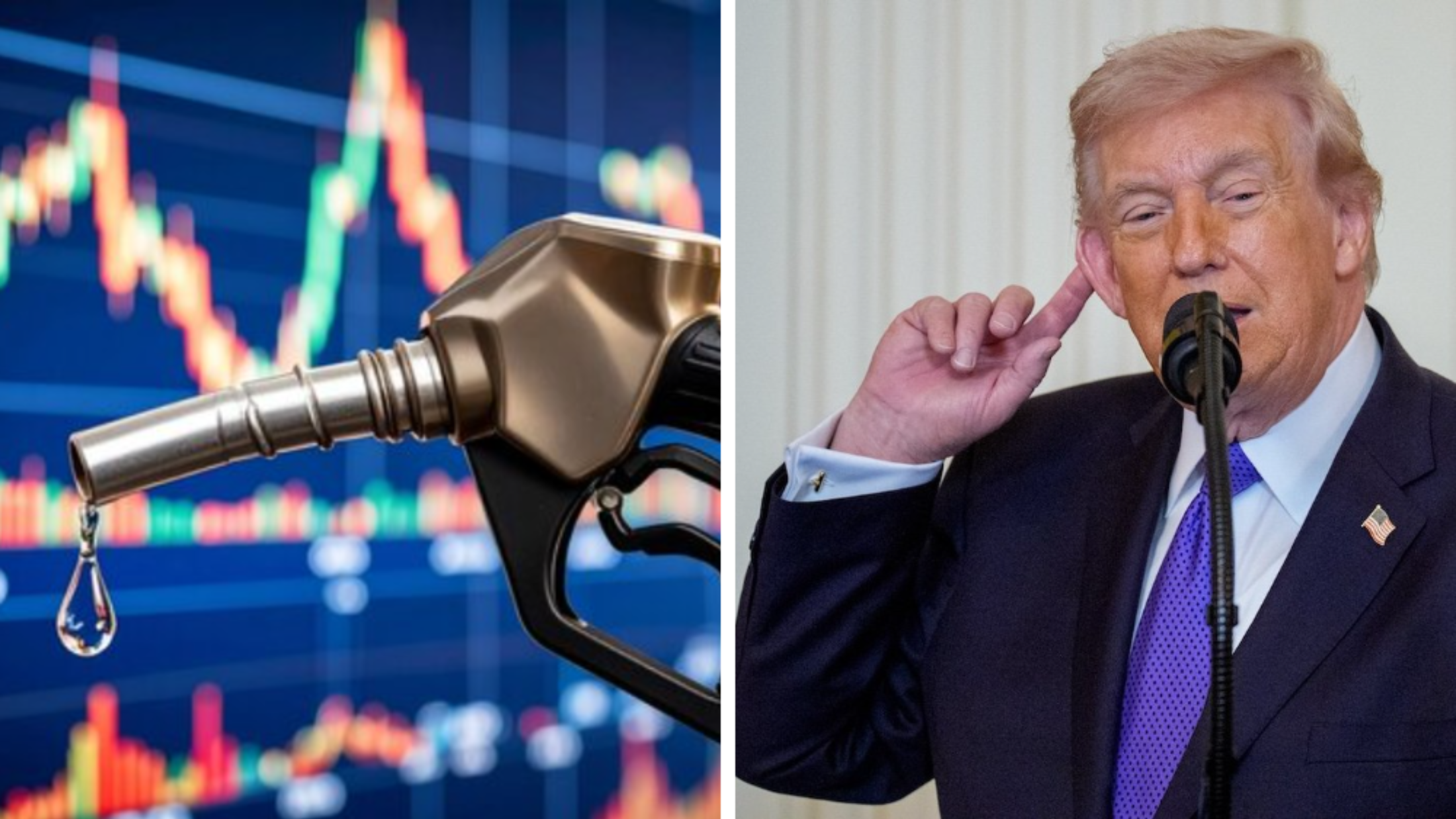
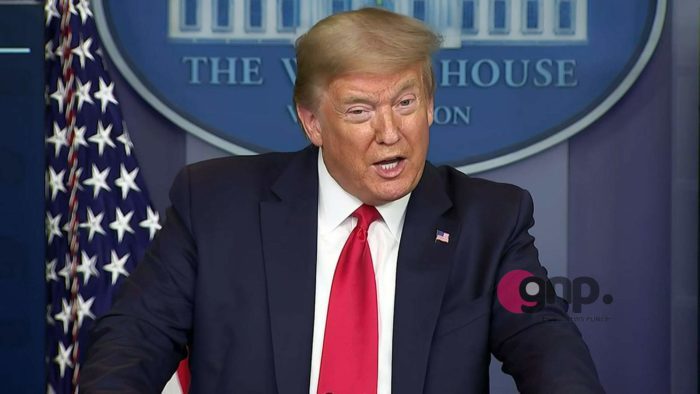
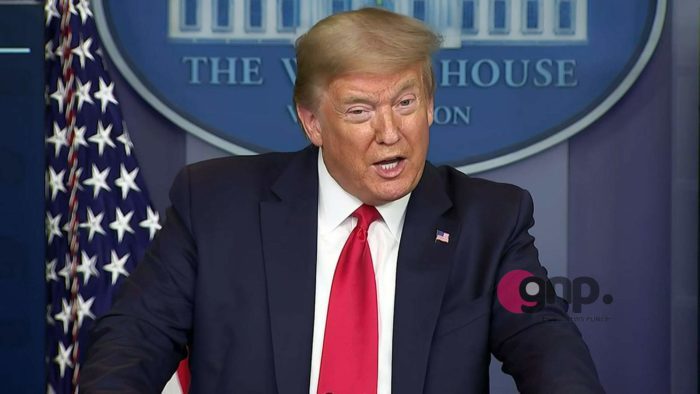
United States President Donald Trump has dismissed concerns over rising global oil prices, describing the recent surge as a temporary reaction to geopolitical tensions in the Middle East.
The comments come as energy markets remain volatile following escalating conflict involving Iran, which has disrupted major oil supply routes and pushed crude prices sharply higher. Analysts say the situation could have ripple effects across global economies, including Africa.
Speaking in a recent message about the price increases, Trump suggested the spike in oil prices was a short-term consequence of ongoing military developments and insisted that markets would stabilise once the situation eases.
Oil Prices Spike Amid Middle East Tensions
Global oil markets have experienced dramatic swings in recent days after tensions intensified in the Middle East. Brent crude briefly surged close to $120 per barrel, driven by fears that shipping routes through the Strait of Hormuz, one of the world’s most critical oil transit corridors, could be disrupted.
The strategic waterway normally handles roughly one-fifth of global oil shipments, meaning any disruption there can significantly impact global supply and energy prices.
Despite the spike, oil prices later retreated after Trump signalled that the conflict could end sooner than expected and hinted that the United States might temporarily ease sanctions on certain oil-producing countries to increase supply.
Trump Suggests Measures to Stabilise Oil Markets
The US administration has indicated it may take several steps to keep energy prices from climbing further. Among the options reportedly being considered are:
-
Temporarily easing sanctions on some oil-producing countries
-
Releasing crude oil from strategic reserves
-
Coordinating with global partners to maintain supply routes
Trump has also stated that oil tankers should continue moving through the Strait of Hormuz despite the security risks, stressing that energy supplies must remain stable for the global economy.
Possible Impact on Ghana and African Economies
For many African economies, including Ghana, rising oil prices often translate directly into higher fuel costs, increased transportation expenses and potential inflation.
Ghana imports a significant portion of its refined petroleum products, meaning global price changes can quickly affect local pump prices. Energy analysts say sustained high oil prices could place additional pressure on government fuel subsidy policies and household budgets across the continent.
Countries heavily dependent on imported fuel, including Kenya, Nigeria and South Africa, may also experience inflationary pressure if global crude prices remain elevated.
Markets Still Watching Geopolitical Developments
While oil prices have eased slightly from their peak, energy markets remain sensitive to developments in the Middle East conflict. Analysts warn that prolonged disruptions to shipping lanes or oil infrastructure could push prices even higher.
Some forecasts suggest crude prices could climb significantly if supply routes remain restricted for an extended period.
For now, investors and policymakers worldwide are closely monitoring the situation, with energy markets expected to remain volatile in the coming weeks.