Connect with us

News

Ghana to sign agreement for 1,200MW thermal power plant before end of 2026 – Mahama

Published

on

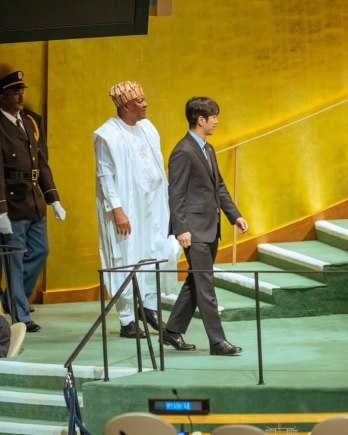
President John Dramani Mahama at the United Nations

President John Dramani Mahama says Ghana is expected to sign an agreement before the end of 2026 to develop a 1,200-megawatt thermal power plant, a project the government says forms part of efforts to strengthen the country’s electricity supply and support long-term energy security.

The planned project is among the latest energy developments being discussed as Ghana works to balance electricity demand, generation capacity, fuel availability and the financial sustainability of the power sector. The government’s announcement comes as businesses and households continue to watch developments in electricity reliability and the cost of power generation.

According to reports from MyJoyOnline and Graphic Online, President Mahama disclosed the planned agreement while engaging Ghanaians in the United States. The proposed plant would add significant generation capacity to Ghana’s electricity system if the project proceeds according to the government’s plans.

A 1,200-megawatt facility would represent a substantial addition to Ghana’s installed generation capacity. However, the contribution of a power plant to actual electricity supply depends on several factors, including fuel availability, plant efficiency, transmission capacity, maintenance schedules and the demand profile of the national grid.

Advertisement

Thermal generation remains an important component of Ghana’s electricity mix. The country also relies on hydroelectric generation, meaning changes in rainfall, reservoir levels, fuel prices and generation availability can influence the balance between different sources of electricity.

The planned project therefore comes within a broader discussion about how Ghana can maintain adequate generation while reducing the risks associated with fuel supply and power-sector financing. The country’s energy authorities have continued to consider investments in generation, transmission and distribution infrastructure as electricity demand grows.

For households, additional generation capacity could help provide greater flexibility as demand increases. Ghana’s population, urbanisation and growing use of electrical appliances and digital services continue to increase electricity requirements. Commercial and industrial users also need predictable power supply for production, refrigeration, information technology, manufacturing and other activities.

For businesses, the cost of electricity is another important consideration. Companies that depend heavily on electricity can face higher operating expenses when tariffs, fuel costs or reliability challenges increase. New generation projects can therefore have implications for both electricity availability and the long-term structure of the power market.

The government’s planned agreement will also need to be considered alongside Ghana’s existing energy-sector commitments. Large power projects typically involve questions about financing, procurement, fuel arrangements, construction timelines, transmission connections and the terms under which electricity will be purchased.

Advertisement

Those details will determine how quickly the proposed 1,200-megawatt capacity can become operational and what financial obligations may arise for the state and the electricity market. A project announcement should therefore be distinguished from actual construction and commissioning, which require further contractual, financial and technical steps.

The proposed development comes as Ghana continues to review the structure of its electricity generation mix. The Public Utilities Regulatory Commission recently maintained electricity and water tariffs at a zero per cent adjustment for the fourth quarter of 2026, while noting changes in factors such as the cedi-dollar exchange rate, inflation, natural gas costs and the expected generation mix.

These factors demonstrate the connection between electricity generation and consumer costs. Even when tariffs are unchanged, changes in fuel prices, generation availability and financing can influence the financial position of utilities and the broader power sector.

Government officials and energy-sector stakeholders will therefore be expected to provide more details as the proposed agreement moves forward. Key issues will include the location of the plant, the project developer, financing arrangements, fuel source, construction schedule and how the new capacity will connect to Ghana’s national grid.

If the agreement is concluded before the end of 2026 as stated, subsequent milestones will provide a clearer indication of when construction could begin and when the additional generation capacity could become available. Until those details are formally announced, the 1,200-megawatt project remains a planned development rather than operating generation capacity.

Advertisement

Ghana’s energy outlook will continue to depend on a combination of new generation investments, reliable fuel supply, transmission upgrades, distribution improvements and sound management of the financial obligations across the power sector.

Source: MyJoyOnline and Graphic Online.

Click to comment

Leave a Reply

Your email address will not be published. Required fields are marked *

TOP HEADLINES